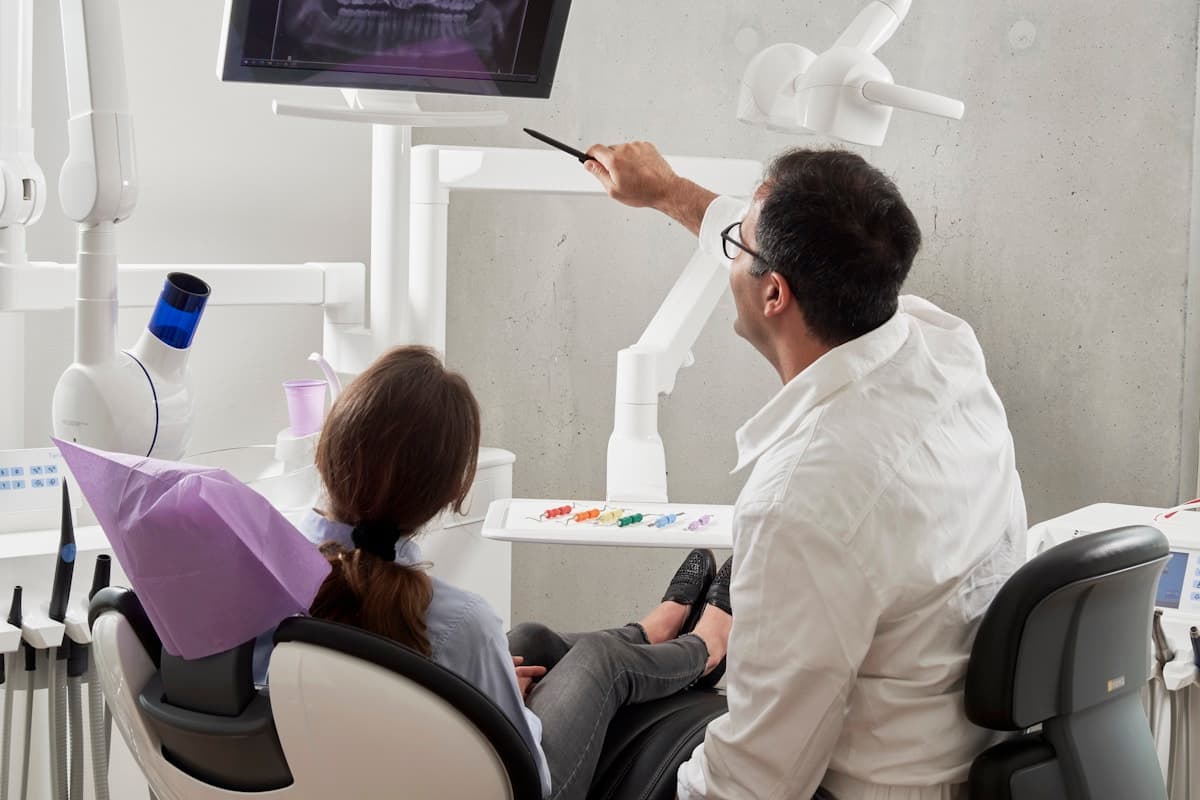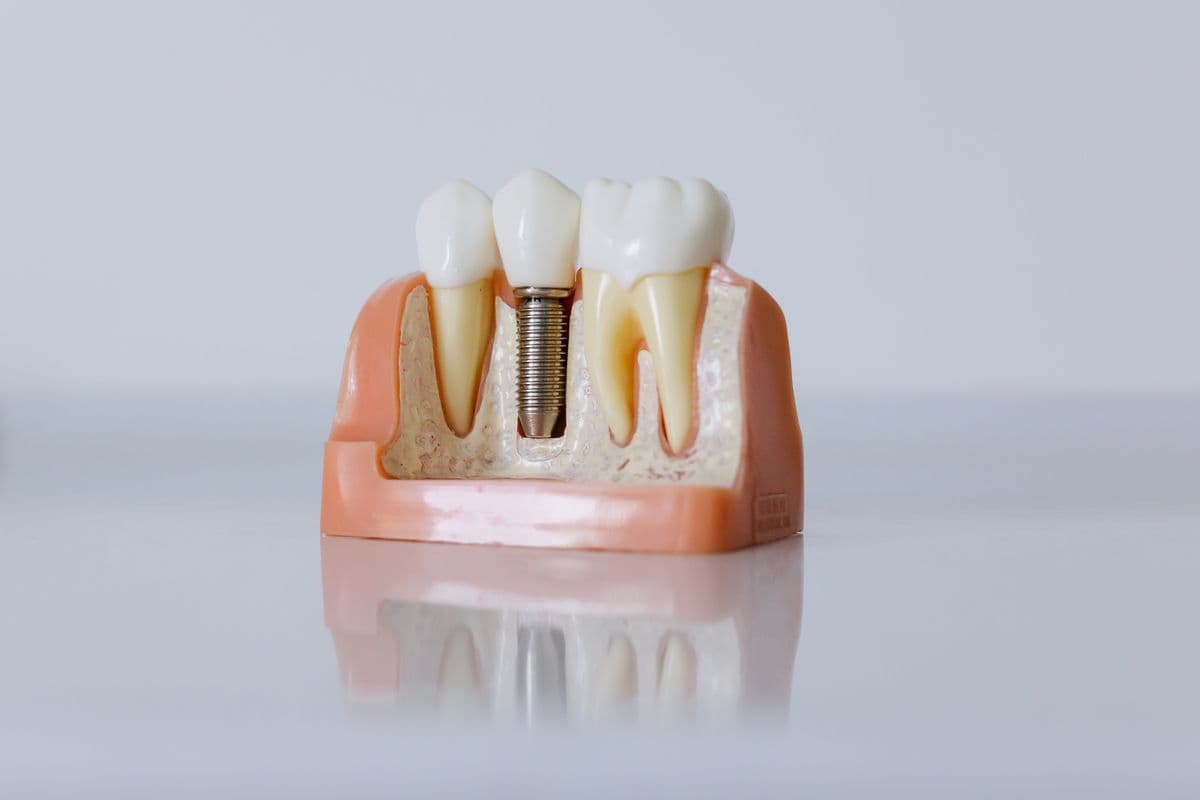
CAD/CAM is often spoken of as a single concept, but computer-aided design and computer-aided manufacturing are distinct stages with different skill requirements, software, and equipment. Clinicians who understand the separation make better decisions about what to do in-house and what to outsource. Our services focus on the CAD design stage, delivering manufacturing-ready files through our workflow for clinics and labs that handle CAM in-house or through manufacturing partners.
Clinical Benefits
- Clear understanding of where clinical responsibility ends and lab design/manufacturing begins
- Informed outsourcing decisions based on which stage—design or manufacturing—delivers the most value
- Better communication with labs using precise CAD/CAM terminology in case discussions
- Optimized investment by targeting technology purchases to the stage with highest practice impact
Clinical Applications
From routine cases to complex multidisciplinary treatment, the following applications are where digital planning delivers the most value for clinics, laboratories, and specialists.
- Clinics evaluating chairside milling systems that require understanding both CAD and CAM stages
- Practices outsourcing CAD design while milling in-office or through a manufacturing lab
- Dental labs separating design services from manufacturing for flexible business models
- DSO procurement teams specifying CAD design vs. CAM manufacturing requirements in RFPs
Digital Workflow
A predictable digital workflow reduces remakes, shortens chair time, and improves communication between the clinic and planning lab.
- Capture clinical data via intraoral scan, CBCT, or conventional impression converted to digital
- CAD stage: designer creates the restoration, guide, or prosthetic in computer-aided design software
- Design review and approval by clinician before manufacturing proceeds
- CAM stage: approved design is manufactured via milling, printing, or casting
- Clinical delivery, adjustment, and seating of the manufactured restoration or appliance
Best Practices
- Separate CAD design quality assessment from CAM manufacturing quality in case evaluations
- Outsource CAD to experienced design labs when in-house design expertise is not established
- Verify CAM equipment compatibility with CAD export formats before establishing workflow
- Maintain clear communication about which party owns design approval vs. manufacturing responsibility
Common Mistakes to Avoid
- Blaming CAM (milling/printing) quality for problems originating in CAD design
- Purchasing CAM equipment without establishing reliable CAD design workflow first
- Assuming CAD/CAM software suites require equal expertise in both design and manufacturing
- Skipping design review before CAM manufacturing, resulting in wasted material and time
“Accuracy in planning is not about more software—it is about better inputs, experienced review, and manufacturing-aware design decisions.”
Conclusion
Strong outcomes in cad vs. cam in dentistry: what every clinician should know depend on clear clinical goals, accurate records, and a planning partner who understands manufacturing requirements. Explore our specialist service, review the case submission workflow, or contact our team to discuss your next case.