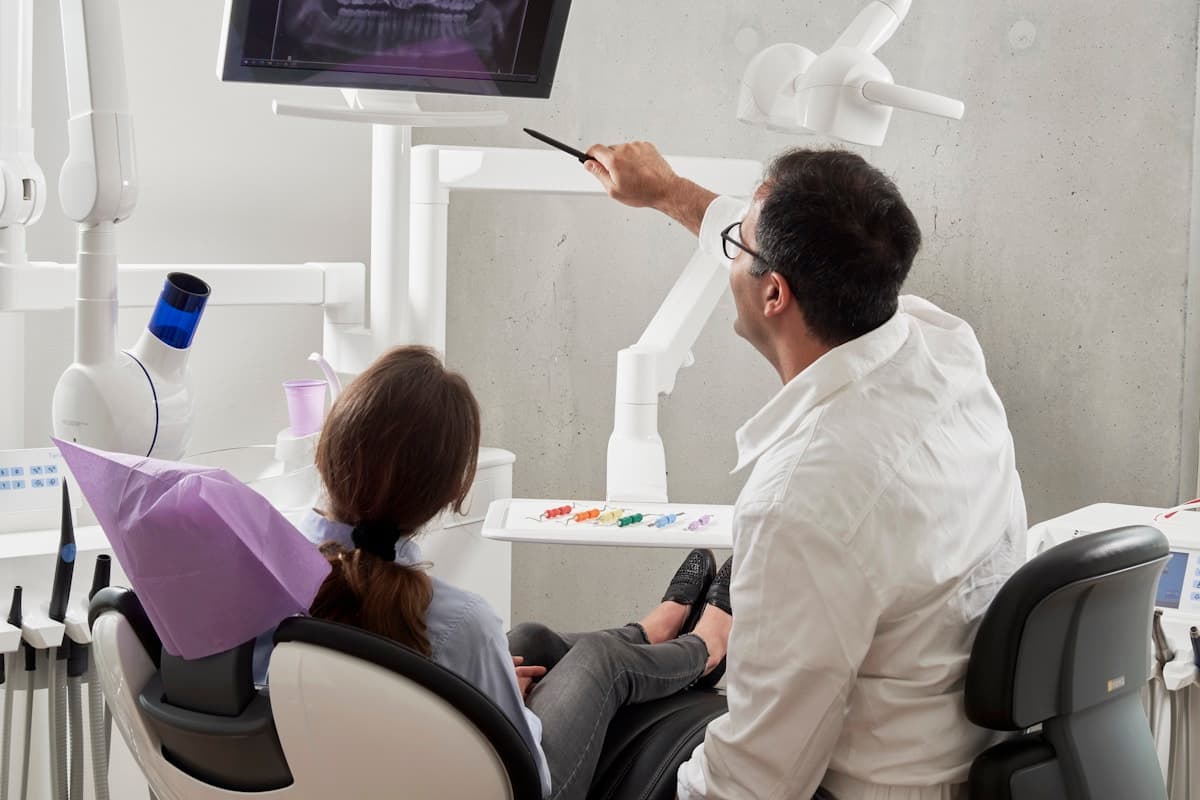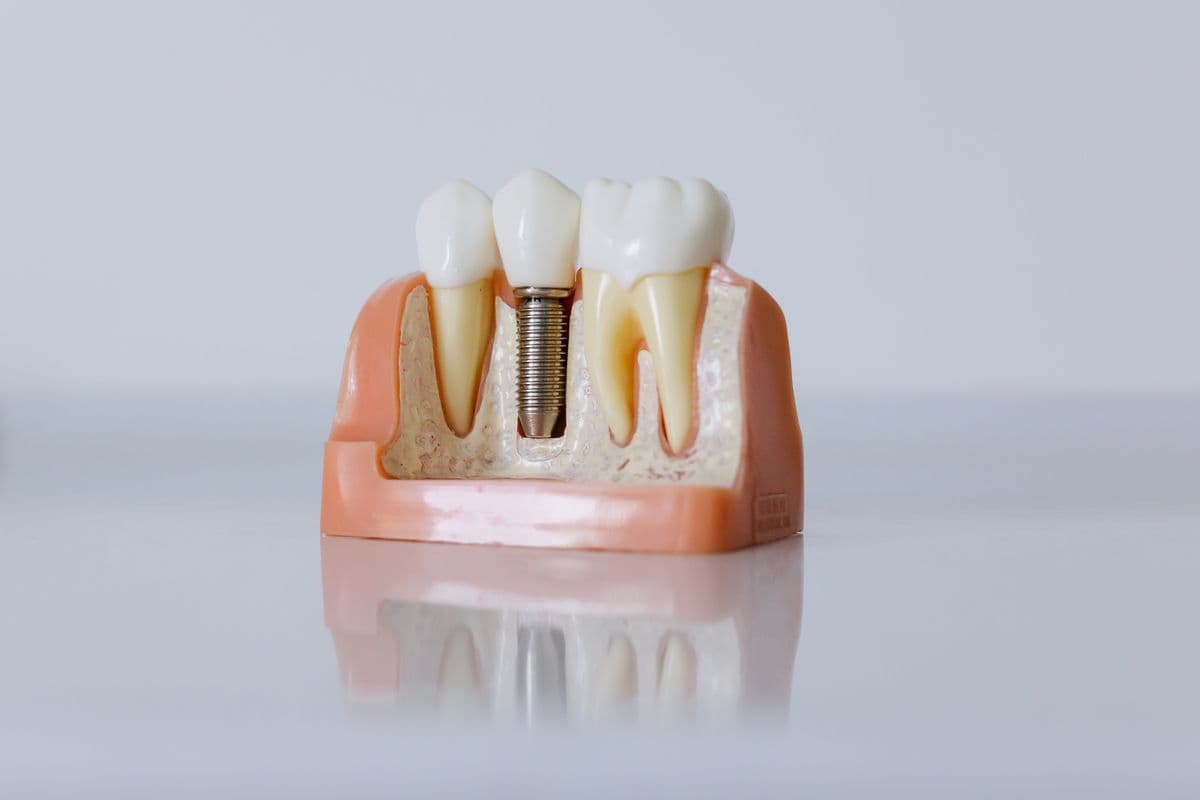
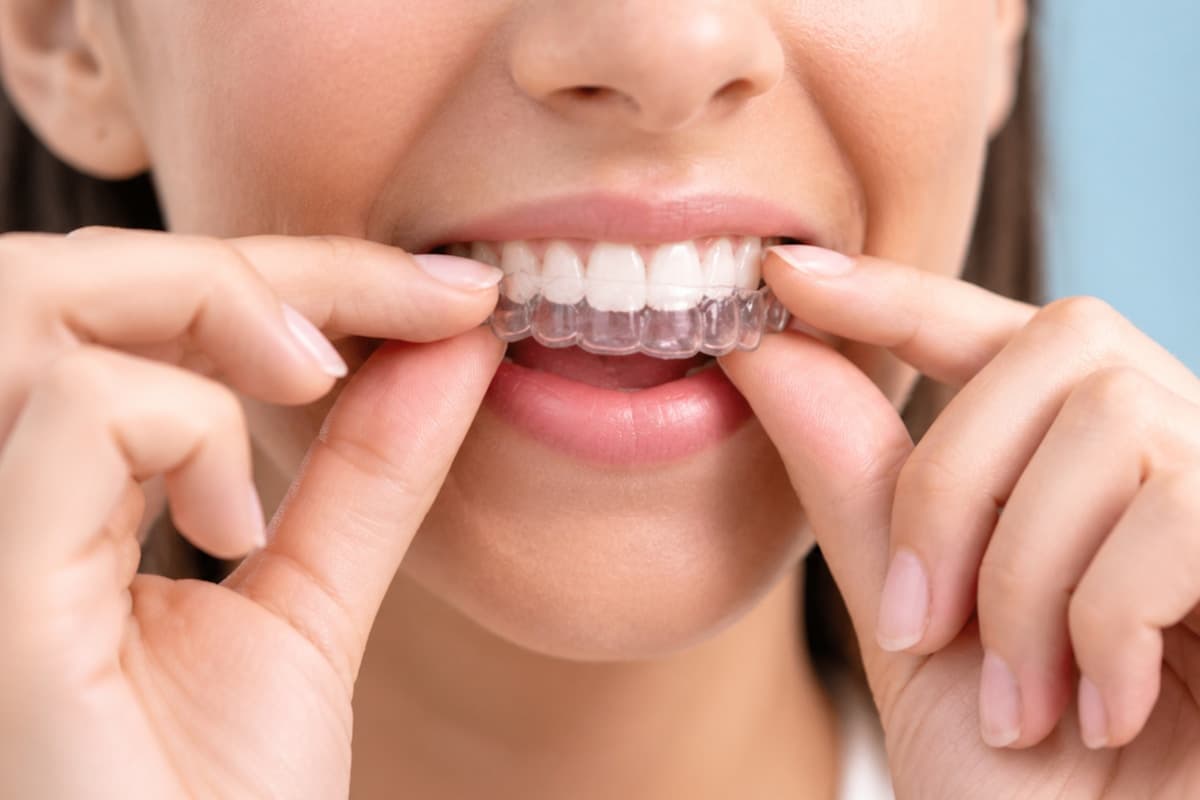
Clear aligner therapy has moved from niche orthodontic treatment to a mainstream option that general dentists and specialists deliver daily. Success depends less on the brand of aligner and more on disciplined treatment planning that accounts for tooth movement biology, anchorage, and patient compliance. This guide walks clinicians through the planning framework our team uses when reviewing cases submitted through our workflow, from initial records to manufacturing-ready staging files.
Clinical Benefits
- Predictable tooth movement through staged, digitally verified sequences rather than reactive tray adjustments
- Improved patient communication with 3D visualizations of the proposed treatment outcome
- Reduced chair time by resolving movement conflicts and attachment strategy before fabrication begins
- Scalable case volume when planning is outsourced to experienced orthodontic planners
Clinical Applications
From routine cases to complex multidisciplinary treatment, the following applications are where digital planning delivers the most value for clinics, laboratories, and specialists.
- Mild to moderate crowding and spacing in adult and teen patients with stable periodontal health
- Pre-restorative orthodontic alignment before veneer, crown, or implant prosthetic phases
- Relapse cases requiring limited correction without full fixed-appliance retreatment
- Interdisciplinary cases where aligners coordinate with restorative or surgical treatment timelines
Digital Workflow
A predictable digital workflow reduces remakes, shortens chair time, and improves communication between the clinic and planning lab.
- Capture complete records: intraoral scans, radiographs, clinical photos, and a detailed treatment prescription
- Define treatment goals, limitations, and anchorage strategy before digital setup begins
- Review staging proposals, attachment placement, and IPR maps with the planning team
- Approve the final setup and authorize aligner fabrication or refinement tray production
- Monitor progress at defined intervals and submit refinement scans when mid-course correction is needed
Best Practices
- Establish realistic treatment goals based on Bolton analysis, root position, and periodontal status
- Plan attachments and IPR proactively rather than adding them reactively at refinement
- Use high-resolution intraoral scans with complete arch capture including distal of molars
- Document informed consent around compliance expectations and potential refinement phases
Common Mistakes to Avoid
- Accepting cases with active periodontal disease or insufficient bone support for planned movement
- Overpromising finish results without accounting for tooth morphology or root proximity limits
- Submitting incomplete records that force planners to assume tooth positions or gingival levels
- Skipping progress checks until late refinement, when corrective options are more limited
“Accuracy in planning is not about more software—it is about better inputs, experienced review, and manufacturing-aware design decisions.”
Conclusion
Strong outcomes in clear aligner treatment planning: a complete guide for dentists depend on clear clinical goals, accurate records, and a planning partner who understands manufacturing requirements. Explore our specialist service, review the case submission workflow, or contact our team to discuss your next case.