Dental Planning Lab
  • Home
  • Services
  • Workflow
  • Pricing
  • About
  • Blogs
  • Contact
Submit a Trial Case
  • Home
  • Services
  • Workflow
  • Pricing
  • About
  • Blogs
  • Contact
  • Submit a Trial Case

Dental Planning Lab

Your Digital Dental Design Partner.

Quick Links

  • Home
  • Services
  • Workflow
  • Pricing
  • About
  • Blogs
  • Contact

Services

  • Aligner Treatment Planning
  • Implant Planning
  • Complete Denture Design
  • Partial Denture Design
  • Restorative Dentistry

Get in Touch

  • info@dentalplanninglab.com
  • +92 310 9076633
  • Lahore, Pakistan
  • Mon – Sat

© 2026 Dental Planning Lab. All rights reserved.

Made by Hamza Ejaz

Privacy PolicyTerms of Service
Close-up of a dental professional performing a digital intraoral examination
Dental Technology·5 min read·November 15, 2024·By Dental Planning Lab Team

Intraoral Scanner Comparison for Lab Compatibility

Intraoral scanner selection is one of the most consequential technology decisions a clinic makes, because the scanner determines data quality, file compatibility, and workflow integration with every lab partner. Our workflow accepts files from all major scanner platforms, and this comparison helps clinics evaluate options based on lab compatibility rather than marketing claims alone. Learn what matters most when choosing a scanner for your digital services ecosystem.

Clinical Benefits

  • Informed scanner selection based on lab compatibility and real-world workflow integration
  • Reduced file transfer issues from choosing scanners with open export formats
  • Optimized scan quality through understanding each platform's strengths and limitations
  • Future-proof investment by prioritizing open architecture over closed ecosystem lock-in

Clinical Applications

From routine cases to complex multidisciplinary treatment, the following applications are where digital planning delivers the most value for clinics, laboratories, and specialists.

  • New practice scanner procurement with lab compatibility as primary selection criterion
  • Existing practices evaluating scanner upgrade or second-device purchases
  • DSO standardization decisions across multiple clinic locations and lab partners
  • Lab recommendations to clinic partners on scanner selection for optimal case processing

Digital Workflow

A predictable digital workflow reduces remakes, shortens chair time, and improves communication between the clinic and planning lab.

  1. Define primary clinical applications: restorative, implant, orthodontic, or multi-discipline
  2. Evaluate scan accuracy data from independent studies for your primary use cases
  3. Test file export compatibility with your current and planned lab partners
  4. Assess ecosystem integration: software, cloud platforms, and third-party design tool compatibility
  5. Pilot the top two candidates with real cases before final purchase commitment
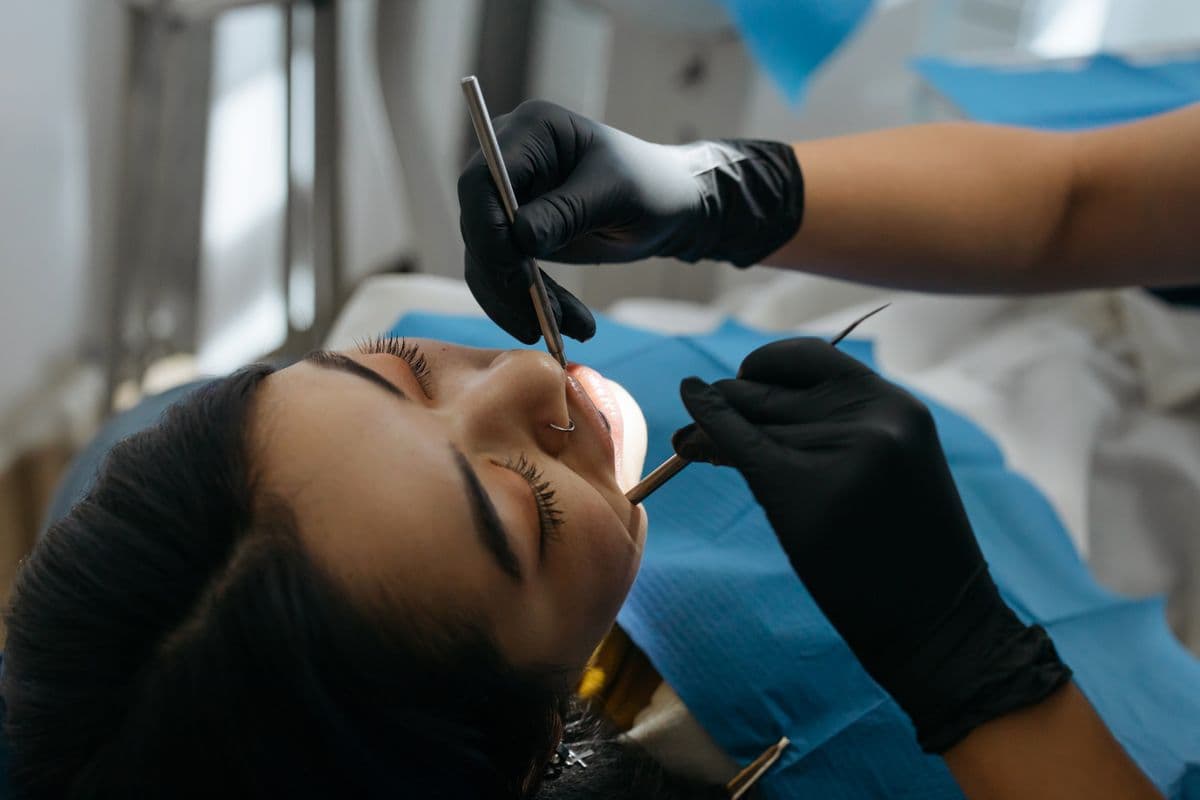
Close-up of a dental professional performing a digital intraoral examination
Digital planning connects clinical records with lab-ready design outputs.

Best Practices

Planning tip

Submit complete records early—photos, scans, and bite data—so planners can flag risks before design begins.

  • Prioritize open file format export (STL, PLY) over proprietary ecosystem advantages
  • Request trial periods from manufacturers to test with your actual lab workflow
  • Evaluate scan speed and ease of use alongside accuracy—adopted technology delivers ROI
  • Confirm software update policies and annual licensing costs before purchase

Common Mistakes to Avoid

  • Choosing scanners based on manufacturer marketing without lab compatibility verification
  • Investing in closed ecosystems that limit future lab partner flexibility
  • Ignoring scan learning curve and team adoption factors in the purchase decision
  • Selecting scanners optimized for one application when the practice needs multi-discipline capability

“Accuracy in planning is not about more software—it is about better inputs, experienced review, and manufacturing-aware design decisions.”

— Dental Planning Lab clinical team

Conclusion

Strong outcomes in intraoral scanner comparison for lab compatibility depend on clear clinical goals, accurate records, and a planning partner who understands manufacturing requirements. Explore our specialist service, review the case submission workflow, or contact our team to discuss your next case.
Key Takeaways

  • Lab compatibility should be a top-three criterion in every scanner purchase decision
  • Open architecture scanners provide more lab partner flexibility than closed ecosystems
  • Accuracy differences between leading scanners are smaller than workflow integration differences
  • Team adoption and scan speed matter as much as technical accuracy specifications

Table of Contents

  1. Clinical Benefits
  2. Clinical Applications
  3. Digital Workflow
  4. Best Practices
  5. Common Mistakes to Avoid
  6. Conclusion

FAQ

Frequently Asked Questions

3Shape TRIOS, Medit, and Primescan offer strong open-format export and broad lab acceptance. iTero has excellent accuracy but more ecosystem restrictions. The best choice depends on your specific lab partners—confirm compatibility before purchasing.

Leading scanners from 3Shape, Align/iTero, Dentsply/Medit, and Sirona/Primescan all deliver clinical accuracy for restorative applications. Differences emerge in full-arch scanning, edentulous capture, and color texture mapping. Match scanner strengths to your primary use cases.

Matching platforms (e.g., TRIOS with 3Shape lab) provides seamless file transfer but is not required. Open-format export ensures compatibility with any lab. Platform matching adds convenience but should not override other selection criteria.

Most scanners remain clinically viable for five to seven years. Upgrade when software support ends, accuracy standards improve significantly, or new features (AI scanning, color integration) justify replacement. Annual software subscriptions continue throughout the device lifecycle.

Keep Reading

Related Articles

Patient fitting a clear aligner tray during orthodontic treatment planning
Aligner Treatment Planning·5 min read·January 15, 2024

Clear Aligner Treatment Planning: A Complete Guide for Dentists

Master the fundamentals of digital clear aligner treatment planning—from diagnosis and staging to attachments, refinements, and lab collaboration—for predictable orthodontic outcomes.

Read Article →
Dentist reviewing a panoramic dental X-ray with a patient during case consultation
Aligner Treatment Planning·5 min read·June 22, 2024

How to Submit Your First Aligner Case to a Planning Lab

A step-by-step walkthrough for submitting your first clear aligner case to a planning lab—records, prescriptions, file formats, and what to expect during review and approval.

Read Article →
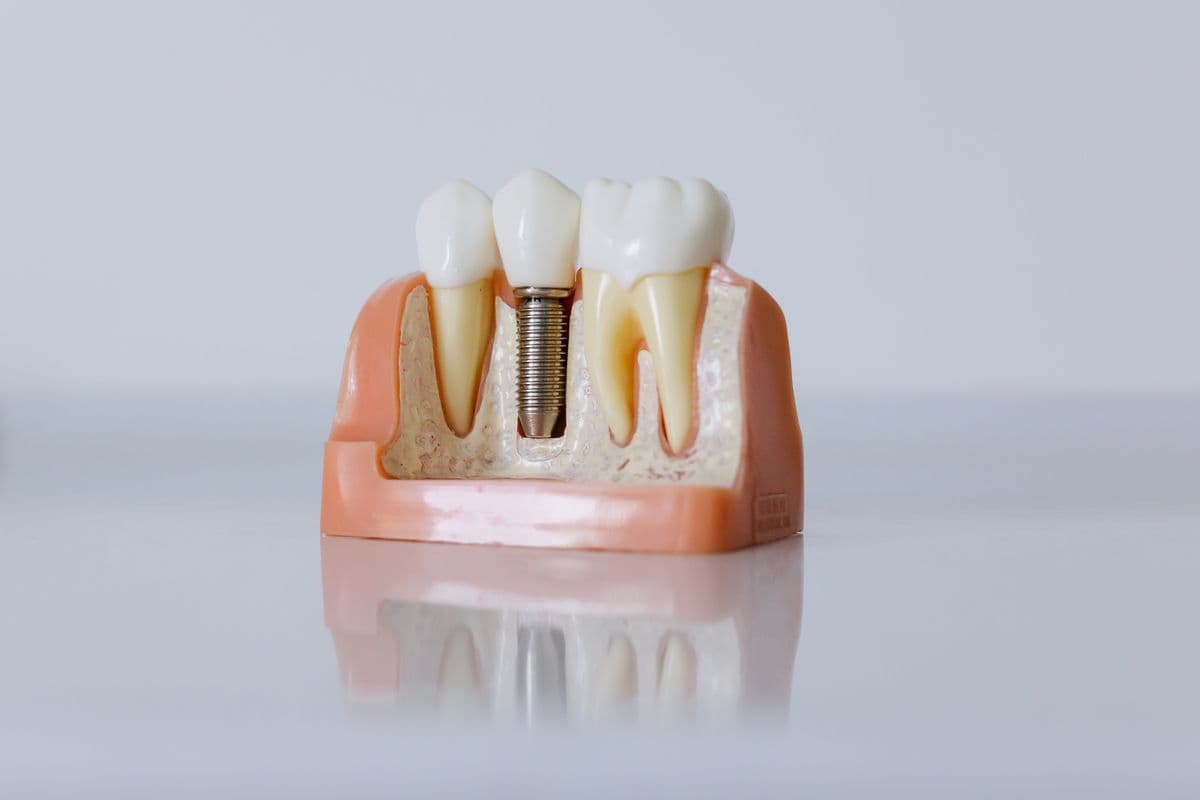
Cross-section dental implant model showing prosthetic crown and bone integration
Implant Planning·5 min read·July 8, 2024

Prosthetically Driven Implant Planning: Step-by-Step Guide

Prosthetically driven implant planning starts with the final restoration in mind. Follow this step-by-step guide to position implants for optimal aesthetics, function, and long-term success.

Read Article →

Ready to Discuss Your Next Digital Dental Case?

Partner with Dental Planning Lab for accurate planning, expert digital design, and manufacturing-ready outputs trusted by dental professionals worldwide.

Submit a Trial CaseContact Us