Dental Planning Lab
  • Home
  • Services
  • Workflow
  • Pricing
  • About
  • Blogs
  • Contact
Submit a Trial Case
  • Home
  • Services
  • Workflow
  • Pricing
  • About
  • Blogs
  • Contact
  • Submit a Trial Case

Dental Planning Lab

Your Digital Dental Design Partner.

Quick Links

  • Home
  • Services
  • Workflow
  • Pricing
  • About
  • Blogs
  • Contact

Services

  • Aligner Treatment Planning
  • Implant Planning
  • Complete Denture Design
  • Partial Denture Design
  • Restorative Dentistry

Get in Touch

  • info@dentalplanninglab.com
  • +92 310 9076633
  • Lahore, Pakistan
  • Mon – Sat

© 2026 Dental Planning Lab. All rights reserved.

Made by Hamza Ejaz

Privacy PolicyTerms of Service
Dentist consulting with a patient in a modern clinic about treatment planning
Case Studies·5 min read·June 5, 2025·By Dental Planning Lab Team

Measuring ROI on Outsourced Dental CAD Design

Outsourced CAD design ROI is frequently underestimated because clinics compare per-unit design fees against in-house costs without accounting for avoided overhead, reduced remakes, and reclaimed clinical time. This case study framework helps practices measure true outsourcing value when partnering through our services and workflow. Use these metrics to build an evidence-based business case for continued or expanded outsourcing.

Clinical Benefits

  • Accurate ROI calculation that includes all cost avoidance and efficiency gains
  • Data-driven decisions about outsourcing scope expansion or in-house investment
  • Benchmark comparisons against industry standards for outsourced design economics
  • Executive reporting for DSO leadership evaluating lab partnership performance

Clinical Applications

From routine cases to complex multidisciplinary treatment, the following applications are where digital planning delivers the most value for clinics, laboratories, and specialists.

  • Solo practice owners evaluating whether to continue or expand outsourced CAD usage
  • Practice managers building annual budget projections for digital design costs
  • DSO operations teams comparing outsourced vs. centralized in-house design economics
  • New digital practices establishing baseline metrics during the first year of outsourcing

Digital Workflow

A predictable digital workflow reduces remakes, shortens chair time, and improves communication between the clinic and planning lab.

  1. Establish baseline metrics before outsourcing: remake rate, design cost, chair time, and turnaround
  2. Track outsourced design costs monthly: per-unit fees, revisions, and rush charges
  3. Measure outcome metrics: remake rate, adjustment time, patient satisfaction, and case acceptance
  4. Calculate avoided costs: technician salary, software licenses, training, and equipment not purchased
  5. Compute net ROI and compare against in-house scenario at current and projected volumes

Dentist consulting with a patient in a modern clinic about treatment planning
Digital planning connects clinical records with lab-ready design outputs.

Best Practices

Planning tip

Submit complete records early—photos, scans, and bite data—so planners can flag risks before design begins.

  • Track metrics for at least six months before drawing ROI conclusions—learning curves affect early data
  • Include clinical time savings in ROI, not just direct design cost comparisons
  • Separate preference revisions from error remakes in cost tracking for fair partner evaluation
  • Revisit ROI calculations annually as case volume and pricing evolve

Common Mistakes to Avoid

  • Comparing only per-unit outsourcing cost vs. per-unit in-house cost without overhead
  • Ignoring remake rate improvements that outsourcing delivers through specialized design expertise
  • Calculating ROI during the first month when learning-curve inefficiencies skew results
  • Failing to account for scalability—outsourcing handles volume spikes without staffing costs

“Accuracy in planning is not about more software—it is about better inputs, experienced review, and manufacturing-aware design decisions.”

— Dental Planning Lab clinical team

Conclusion

Strong outcomes in measuring roi on outsourced dental cad design depend on clear clinical goals, accurate records, and a planning partner who understands manufacturing requirements. Explore our specialist service, review the case submission workflow, or contact our team to discuss your next case.
Key Takeaways

  • True outsourcing ROI includes avoided overhead, not just per-unit design fee comparison
  • Remake rate reduction and clinical time savings often exceed direct design cost differences
  • Six months of tracked data minimum before ROI conclusions are statistically meaningful
  • Outsourcing ROI improves over time as lab partnerships calibrate to clinical preferences

Table of Contents

  1. Clinical Benefits
  2. Clinical Applications
  3. Digital Workflow
  4. Best Practices
  5. Common Mistakes to Avoid
  6. Conclusion

FAQ

Frequently Asked Questions

Practices switching from in-house or conventional lab workflows typically see positive ROI within three to six months when accounting for avoided overhead. Pure cost-per-unit comparison may show outsourcing as more expensive until overhead avoidance is included.

Priority metrics: remake rate, chairside adjustment time, case turnaround, cost per unit (all-in), and clinical time per case. Secondary metrics: patient satisfaction, case acceptance rate, and team satisfaction with the outsourcing workflow.

Sum: technician salary and benefits, CAD software annual licenses, training costs, quality management time, equipment depreciation, and facility space. Divide by annual case volume for per-unit in-house cost. Compare against all-in outsourced per-unit cost.

In-house CAD typically becomes cost-competitive above 50 to 75 restorations monthly with a dedicated technician. Below that volume, outsourcing avoids fixed costs that make per-unit in-house design more expensive regardless of hourly efficiency.

Keep Reading

Related Articles

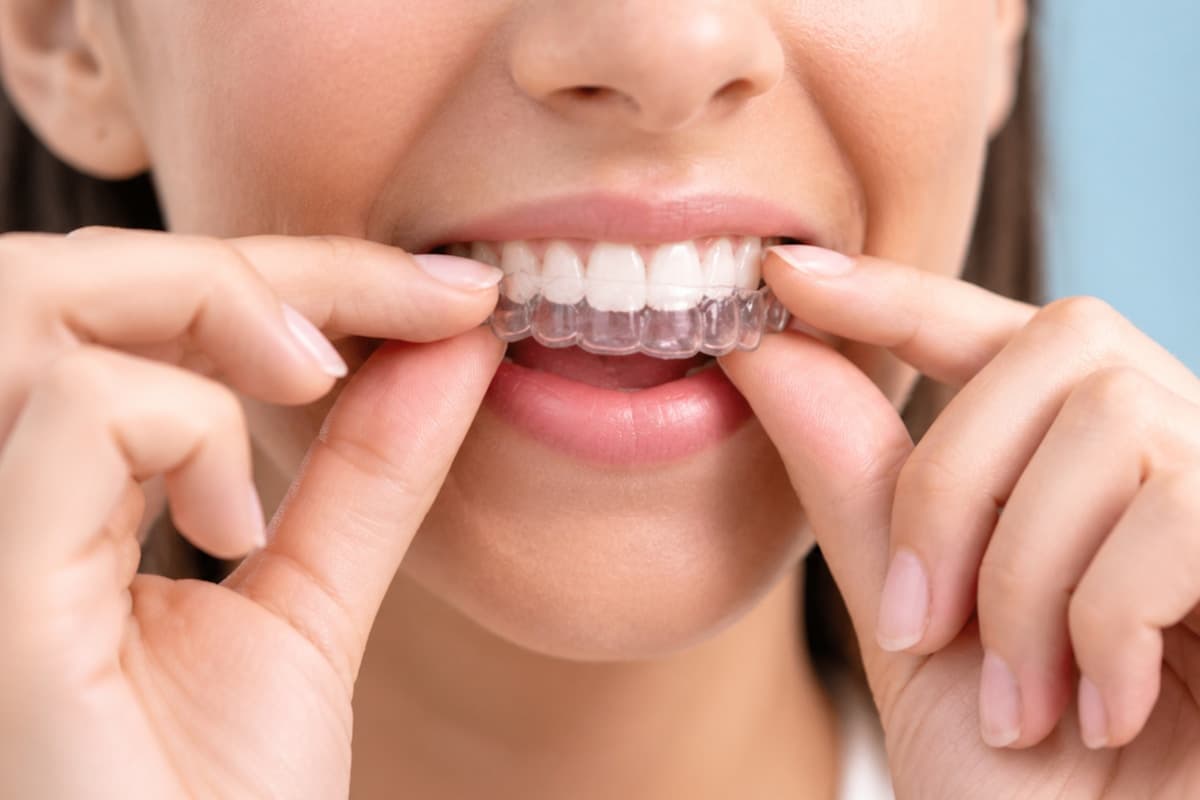
Patient fitting a clear aligner tray during orthodontic treatment planning
Aligner Treatment Planning·5 min read·January 15, 2024

Clear Aligner Treatment Planning: A Complete Guide for Dentists

Master the fundamentals of digital clear aligner treatment planning—from diagnosis and staging to attachments, refinements, and lab collaboration—for predictable orthodontic outcomes.

Read Article →
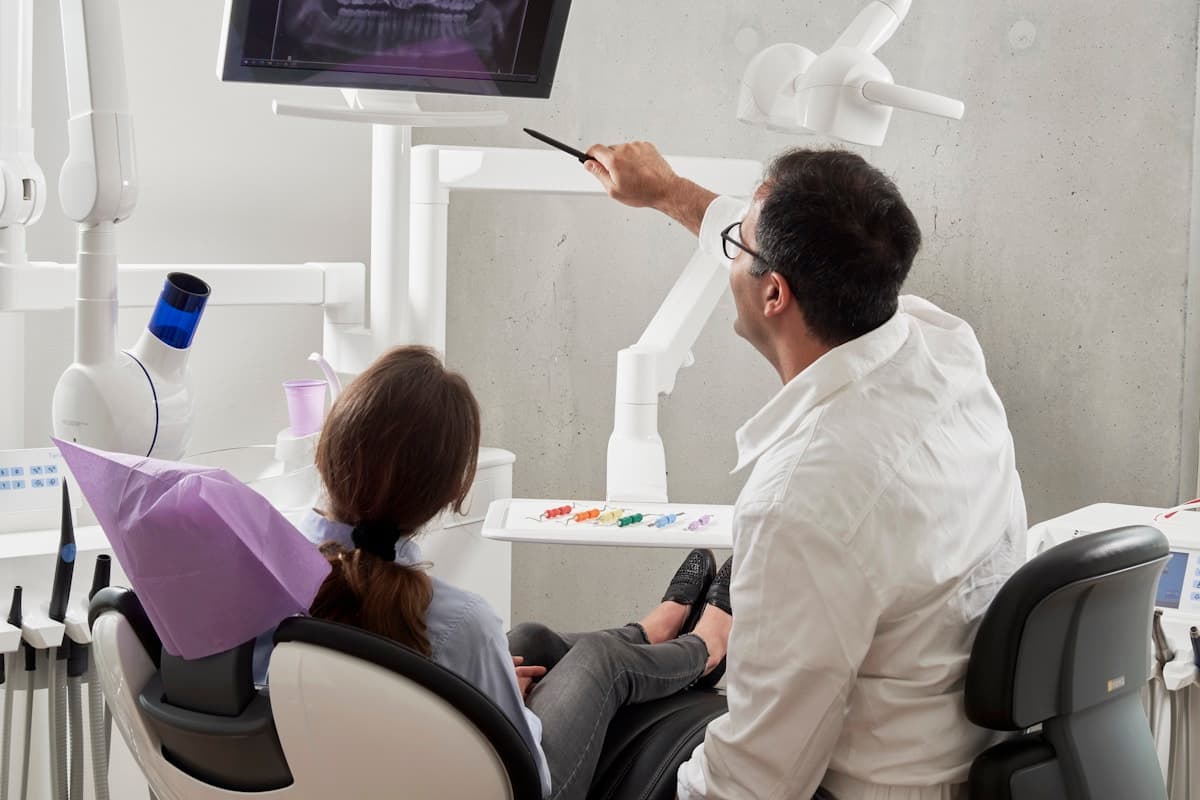
Dentist reviewing a panoramic dental X-ray with a patient during case consultation
Aligner Treatment Planning·5 min read·June 22, 2024

How to Submit Your First Aligner Case to a Planning Lab

A step-by-step walkthrough for submitting your first clear aligner case to a planning lab—records, prescriptions, file formats, and what to expect during review and approval.

Read Article →
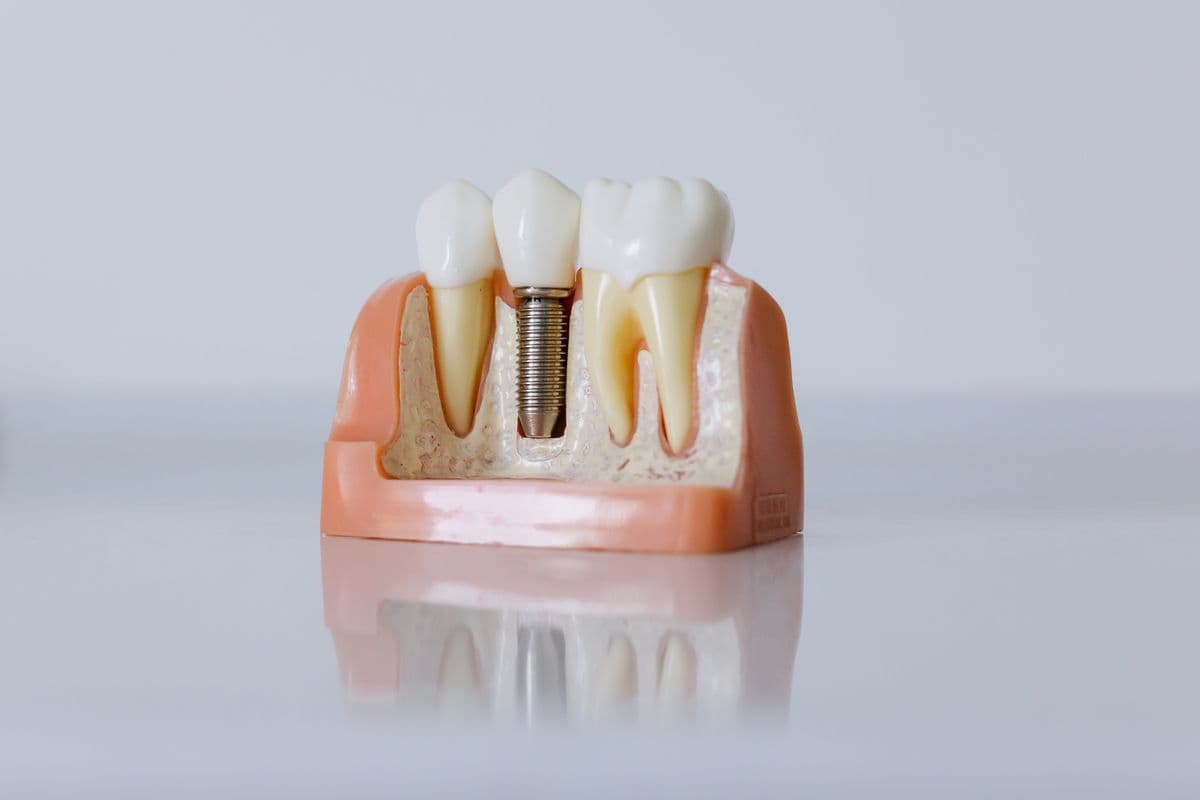
Cross-section dental implant model showing prosthetic crown and bone integration
Implant Planning·5 min read·July 8, 2024

Prosthetically Driven Implant Planning: Step-by-Step Guide

Prosthetically driven implant planning starts with the final restoration in mind. Follow this step-by-step guide to position implants for optimal aesthetics, function, and long-term success.

Read Article →

Ready to Discuss Your Next Digital Dental Case?

Partner with Dental Planning Lab for accurate planning, expert digital design, and manufacturing-ready outputs trusted by dental professionals worldwide.

Submit a Trial CaseContact Us