Dental Planning Lab
  • Home
  • Services
  • Workflow
  • Pricing
  • About
  • Blogs
  • Contact
Submit a Trial Case
  • Home
  • Services
  • Workflow
  • Pricing
  • About
  • Blogs
  • Contact
  • Submit a Trial Case

Dental Planning Lab

Your Digital Dental Design Partner.

Quick Links

  • Home
  • Services
  • Workflow
  • Pricing
  • About
  • Blogs
  • Contact

Services

  • Aligner Treatment Planning
  • Implant Planning
  • Complete Denture Design
  • Partial Denture Design
  • Restorative Dentistry

Get in Touch

  • info@dentalplanninglab.com
  • +92 310 9076633
  • Lahore, Pakistan
  • Mon – Sat

© 2026 Dental Planning Lab. All rights reserved.

Made by Hamza Ejaz

Privacy PolicyTerms of Service
Dentist performing an intraoral scan during an impression-free denture workflow
Complete Denture Design·5 min read·January 10, 2025·By Dental Planning Lab Team

Scan-Only Denture Technique: Eliminating Physical Impressions

Scan-only denture techniques represent the most streamlined digital pathway for edentulous patients—no alginate, no custom trays, and no wax rims in the traditional sense. Success depends on rigorous scanning protocol and close coordination with your denture design lab. This article details the clinical steps and quality thresholds our team expects when processing scan-only cases through the workflow portal.

Clinical Benefits

  • Improved patient experience without impression material gag reflex and discomfort
  • Reduced appointment count by combining data capture steps into fewer visits
  • Digital accuracy that eliminates impression distortion and pour errors
  • Immediate digital archive for future copy denture or repair fabrication

Clinical Applications

From routine cases to complex multidisciplinary treatment, the following applications are where digital planning delivers the most value for clinics, laboratories, and specialists.

  • Edentulous patients who cannot tolerate conventional impression procedures
  • Efficient denture replacement cases with reference denture scan protocols
  • Group practice settings standardizing on digital-only edentulous workflows
  • Immediate denture cases using pre-extraction dentate scans converted post-extraction

Digital Workflow

A predictable digital workflow reduces remakes, shortens chair time, and improves communication between the clinic and planning lab.

  1. Prepare the edentulous ridge with tissue manipulation and peripheral border molding digitally
  2. Scan upper and lower ridges following manufacturer edentulous scan strategy
  3. Capture jaw relation using scan bite rim, reference denture scan, or photogrammetric aids
  4. Submit scans with prescription detailing tooth mould, shade, and occlusal preferences
  5. Review and approve virtual design before try-in fabrication and final processing
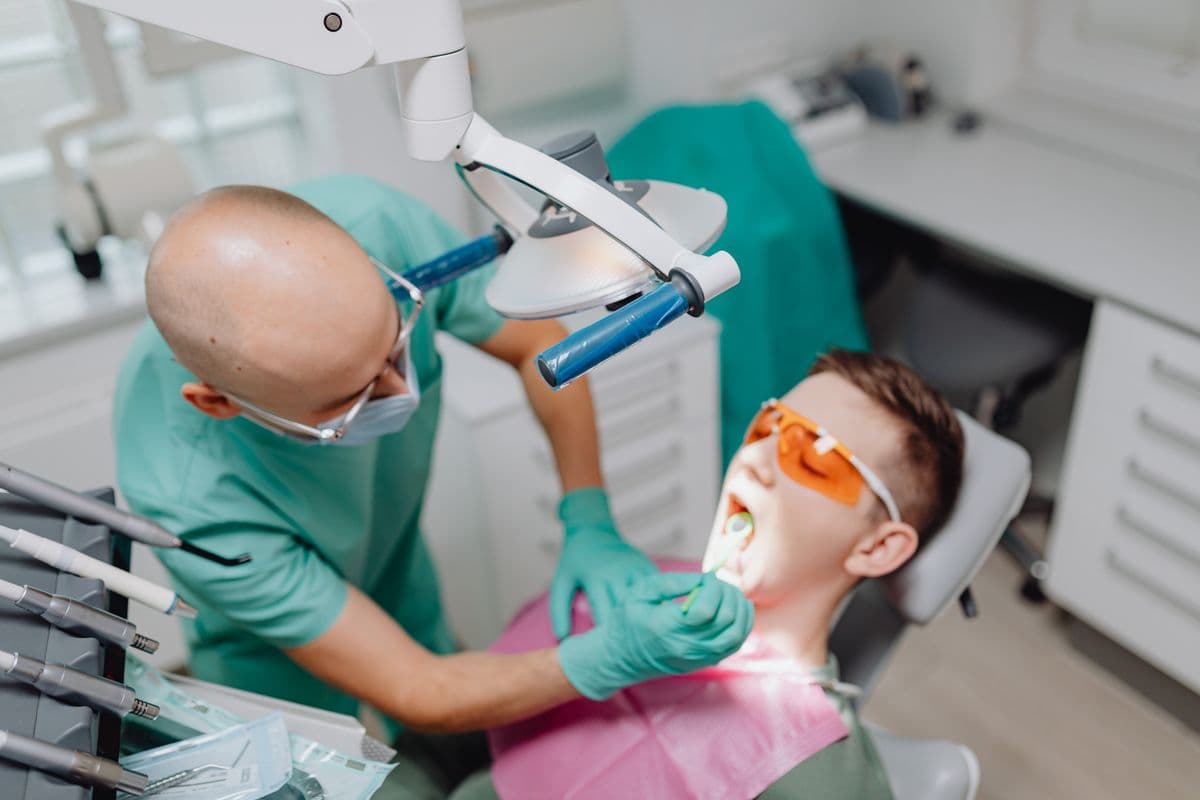
Dentist performing an intraoral scan during an impression-free denture workflow
Digital planning connects clinical records with lab-ready design outputs.

Best Practices

Planning tip

Submit complete records early—photos, scans, and bite data—so planners can flag risks before design begins.

  • Follow scanner-specific edentulous scanning sequences for optimal tissue capture
  • Use a reference denture scan when replacing an existing prosthesis with acceptable jaw relation
  • Verify scan completeness by reviewing the 3D model for holes or missing peripheral data
  • Communicate tissue compressibility expectations so the lab designs appropriate base relief

Common Mistakes to Avoid

  • Scanning without tissue manipulation, producing shallow peripheral borders
  • Using dentate scanning strategy on edentulous ridges, resulting in incomplete capture
  • Omitting jaw relation data and expecting the lab to estimate occlusal vertical dimension
  • Submitting low-resolution scans with visible stitching errors or surface artifacts

“Accuracy in planning is not about more software—it is about better inputs, experienced review, and manufacturing-aware design decisions.”

— Dental Planning Lab clinical team

Conclusion

Strong outcomes in scan-only denture technique: eliminating physical impressions depend on clear clinical goals, accurate records, and a planning partner who understands manufacturing requirements. Explore our specialist service, review the case submission workflow, or contact our team to discuss your next case.
Key Takeaways

  • Scan-only dentures work when clinical scanning protocol is disciplined and complete
  • Jaw relation capture is the critical step that scanning alone cannot replace
  • Reference denture scans accelerate replacement cases with established occlusal parameters
  • Lab communication about tissue handling expectations prevents fit discrepancies at delivery

Table of Contents

  1. Clinical Benefits
  2. Clinical Applications
  3. Digital Workflow
  4. Best Practices
  5. Common Mistakes to Avoid
  6. Conclusion

FAQ

Frequently Asked Questions

Major intraoral scanners including 3Shape TRIOS, iTero, Medit, and Primescan offer edentulous scanning modes. Each has specific scan strategies and accessory tools such as scan bodies or opaquing powder for tissue capture optimization.

Digital border molding uses intraoral scanning with tissue manipulation at functional border areas. Some protocols combine a light physical border molding step with subsequent scanning, while fully digital approaches rely on scanner software to define peripheral contours.

Yes. Pre-extraction dentate scans capture tooth position and ridge form. After extraction, a post-extraction scan or modeled tissue changes guide immediate denture design. The lab processes tissue changes digitally based on the clinical prescription.

Rescan the affected area rather than submitting incomplete data. Planners can sometimes fill minor gaps digitally, but peripheral border deficiencies cause fit problems that require rescanning. Quality verification before submission saves turnaround time.

Keep Reading

Related Articles

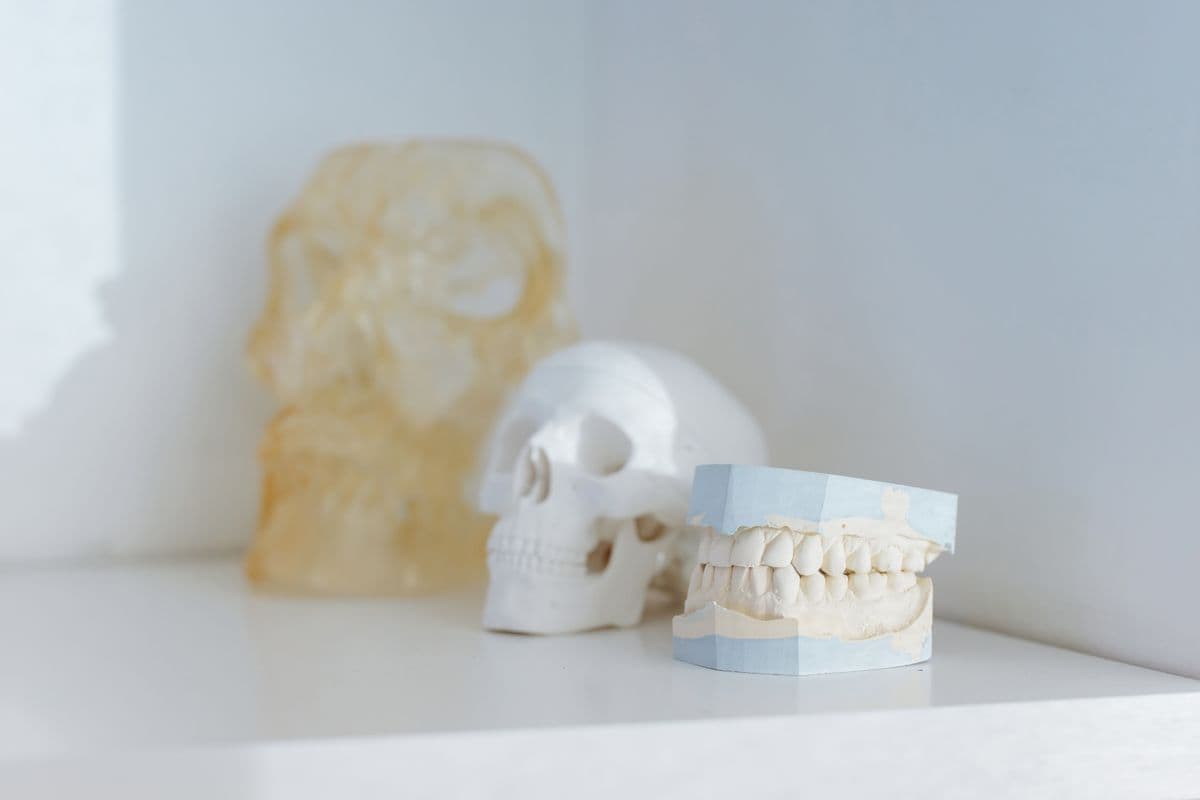
Dental stone cast models and anatomical references used in complete denture design
Complete Denture Design·5 min read·December 5, 2024

Digital Complete Denture Workflow: Scan to Try-In

The digital complete denture workflow transforms edentulous care from messy impressions to precise scans. Follow the scan-to-try-in pathway for predictable denture outcomes.

Read Article →
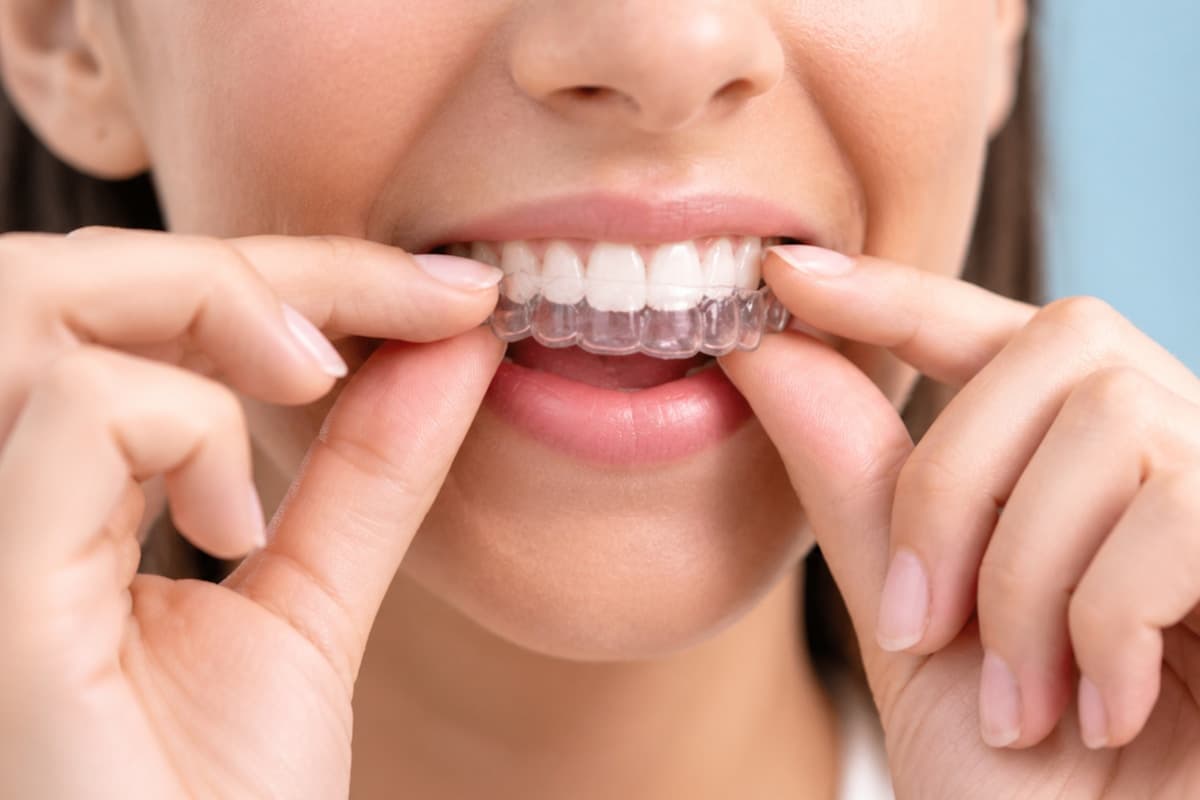
Patient fitting a clear aligner tray during orthodontic treatment planning
Aligner Treatment Planning·5 min read·January 15, 2024

Clear Aligner Treatment Planning: A Complete Guide for Dentists

Master the fundamentals of digital clear aligner treatment planning—from diagnosis and staging to attachments, refinements, and lab collaboration—for predictable orthodontic outcomes.

Read Article →
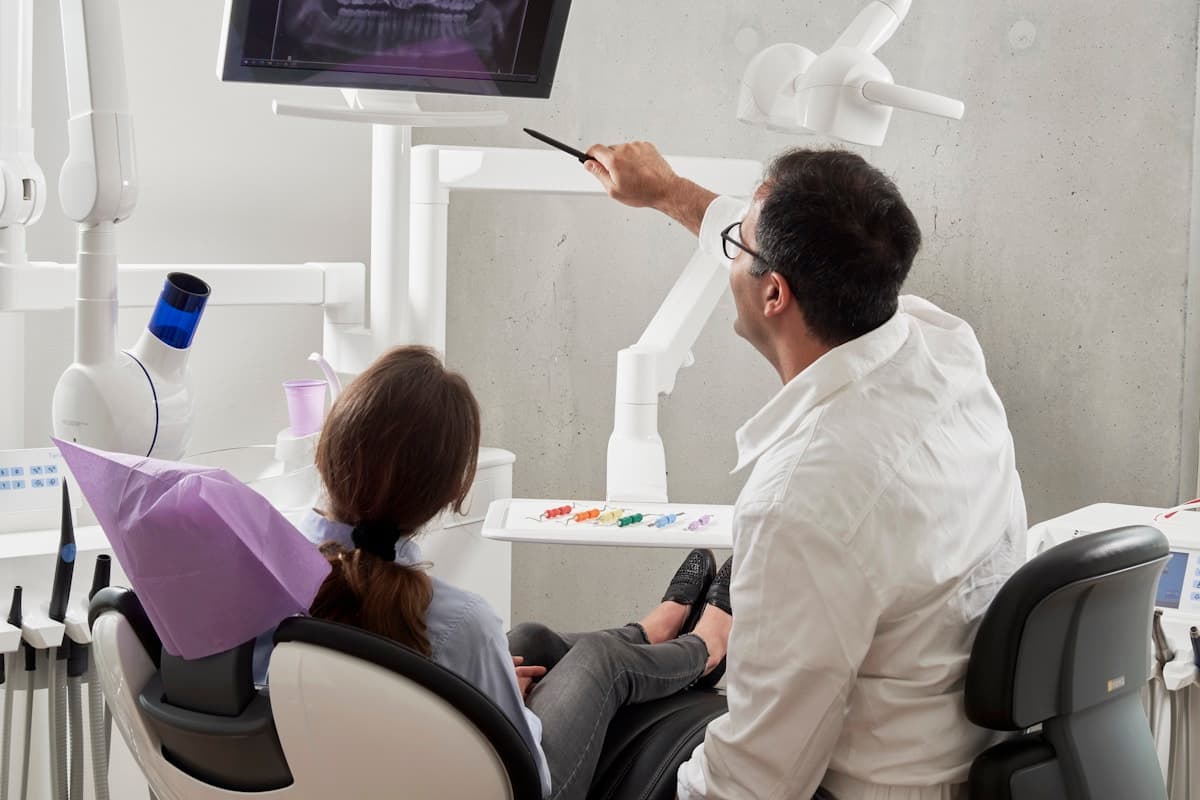
Dentist reviewing a panoramic dental X-ray with a patient during case consultation
Aligner Treatment Planning·5 min read·June 22, 2024

How to Submit Your First Aligner Case to a Planning Lab

A step-by-step walkthrough for submitting your first clear aligner case to a planning lab—records, prescriptions, file formats, and what to expect during review and approval.

Read Article →

Ready to Discuss Your Next Digital Dental Case?

Partner with Dental Planning Lab for accurate planning, expert digital design, and manufacturing-ready outputs trusted by dental professionals worldwide.

Submit a Trial CaseContact Us