The screw-retained versus cement-retained decision is one of the most consequential choices in implant restorative design, affecting retrievability, aesthetic outcomes, and peri-implant tissue health. Digital design must account for the chosen retention method from the planning stage. Our restorative design service designs both configurations through our workflow—this guide helps clinicians make and communicate the right choice.
Clinical Benefits
- Informed retention method selection based on implant position, aesthetic zone, and maintenance needs
- Optimized CAD design parameters specific to screw-access or cement-margin configurations
- Reduced peri-implant cement complications through proper design for the chosen retention method
- Retrievable restorations when screw-retained design is planned from the start
Clinical Applications
From routine cases to complex multidisciplinary treatment, the following applications are where digital planning delivers the most value for clinics, laboratories, and specialists.
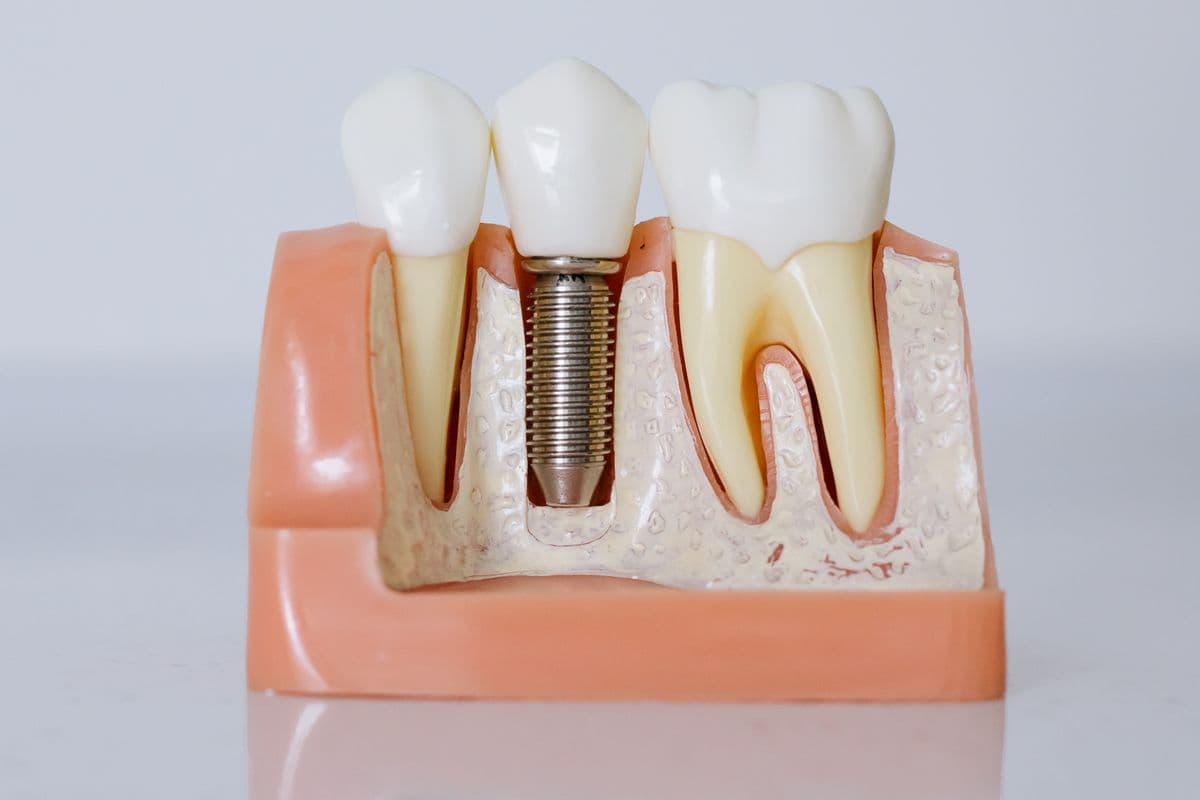
- Posterior screw-retained crowns where screw access through the occlusal surface is acceptable
- Anterior cement-retained crowns where screw access would compromise aesthetics
- Angulated screw channel designs when implant angulation does not allow straight access
- Full arch screw-retained prosthetics with multi-unit abutment or direct-to-fixture design
Digital Workflow
A predictable digital workflow reduces remakes, shortens chair time, and improves communication between the clinic and planning lab.
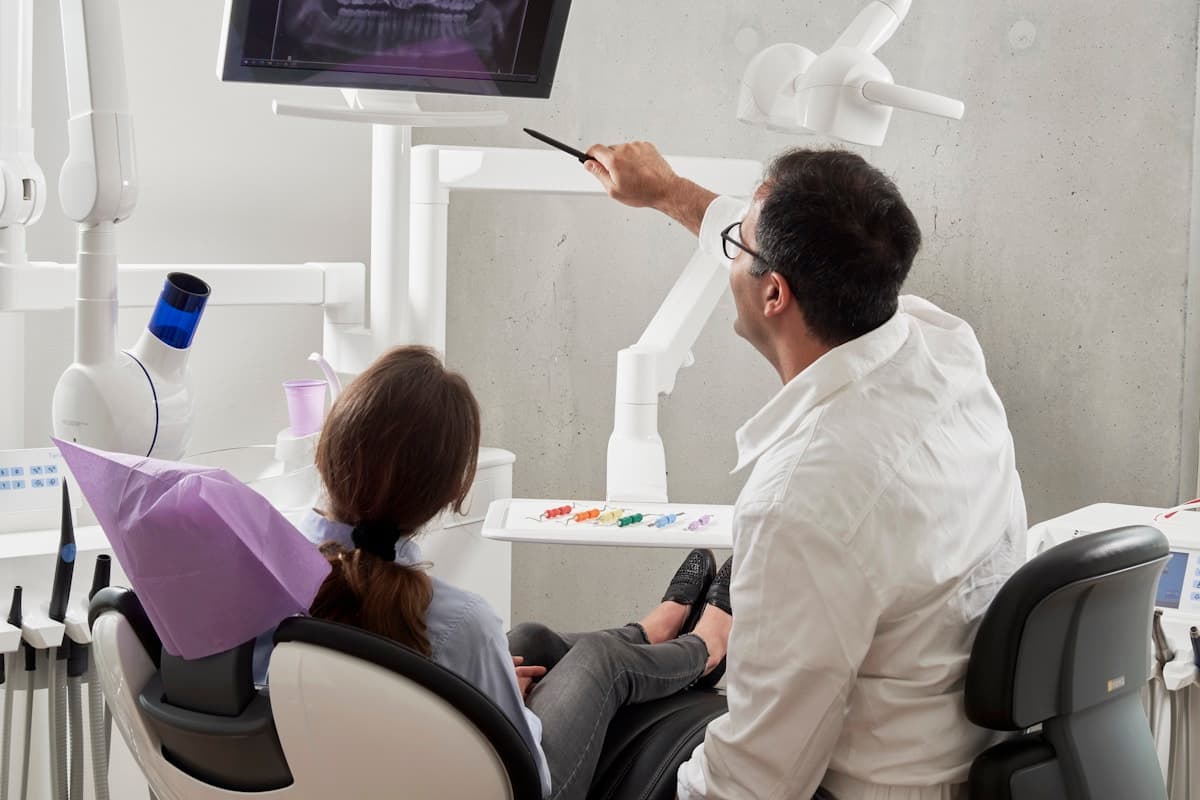
- Evaluate implant position, angulation, and prosthetic space for retention method feasibility
- Select screw-retained, cement-retained, or angulated screw channel based on clinical factors
- Design crown with appropriate access hole position, cement margin depth, or ASC angle
- Verify emergence profile, contact design, and occlusal scheme in the digital model
- Fabricate and deliver with the appropriate components—screw, abutment, or cement protocol
Best Practices
- Plan retention method during implant planning, not after implant placement
- Use angulated screw channels when straight access would exit through the facial surface
- Design cement-retained crowns with supragingival margins accessible for cement removal
- Specify retention method in the case prescription before CAD design begins
Common Mistakes to Avoid
- Choosing cement-retained for posterior implants where screw-retained retrievability is advantageous
- Designing screw access through the aesthetic zone without angulated screw channel options
- Excess cement due to subgingival margin placement in cement-retained designs
- Failing to verify prosthetic space for screw channel components in screw-retained designs
“Accuracy in planning is not about more software—it is about better inputs, experienced review, and manufacturing-aware design decisions.”
Conclusion
Strong outcomes in screw-retained vs. cement-retained implant crowns: design guide depend on clear clinical goals, accurate records, and a planning partner who understands manufacturing requirements. Explore our specialist service, review the case submission workflow, or contact our team to discuss your next case.